
The idea of owning a home was once considered a rite of passage—an expected step in adulthood that symbolized stability, success, and belonging. But for many young adults today, especially those in working-class and marginalized communities, homeownership feels more like a distant dream than a tangible goal. Economic conditions have shifted dramatically over the past decade, and with them, the barriers to buying a home have grown higher.
In today’s economy, the path to owning a home is blocked by a perfect storm of challenges. Skyrocketing home prices, rising mortgage interest rates, and historically low housing inventory have made the market highly competitive and unaffordable for many. Even those who earn a steady income often find themselves squeezed by the high cost of living, student loan debt, and stagnating wages that haven't kept pace with inflation. Additionally, tighter lending standards and the need for large down payments make it even more difficult for first-time buyers—especially low- to moderate-income families—to break into the market.
This was the reality facing Evelyn Gatica, a single mother living in Yakima, Washington. Despite working hard to support her family, the idea of buying a home felt far out of reach. “I honestly didn’t ever think I would be able to buy a home,” she shared. For Evelyn, like so many others, homeownership felt less like a life milestone and more like a fantasy reserved for the wealthy or those with generational wealth.
That began to change when a co-worker told her about the Individual Development Account (IDA) program offered through United Way of Central Washington. Funded in part by the Washington State Department of Commerce, the IDA program helps individuals and families build savings for critical life goals—like purchasing a home—by matching their savings and offering financial education and coaching.
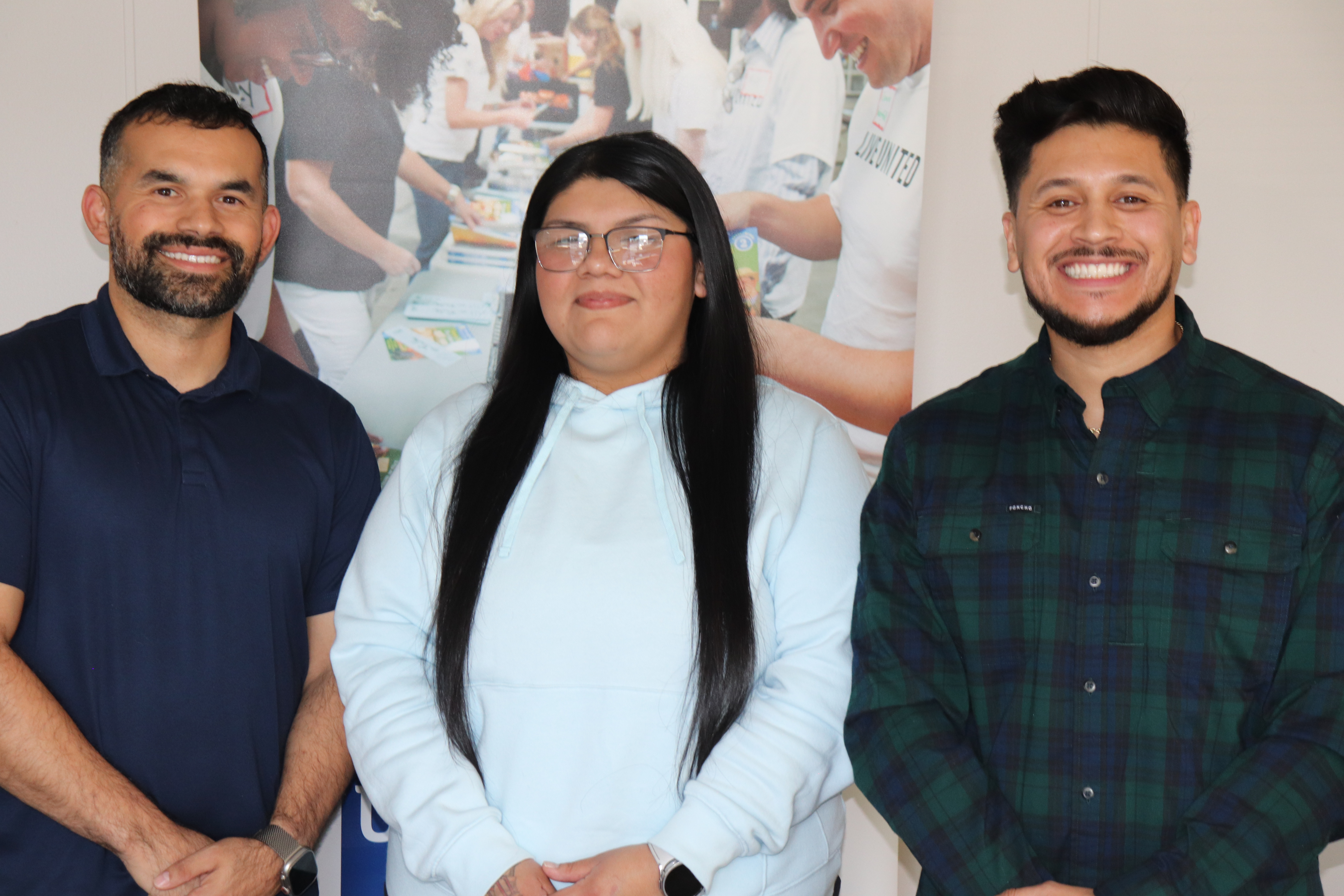
Right to Left: Romiro Herrera, Evelyn Gatica and Jose Zuniga
With support from her dedicated financial coaches, Jose Zuniga and Romiro Herrera, Evelyn started taking the steps needed to turn her dream into a reality. Together, they developed a personalized plan to help her manage her finances, build savings, and prepare for homeownership. The process wasn’t easy, but Evelyn stayed focused, showing up for coaching sessions, asking questions, and making small, consistent changes that added up to real progress.
“She’s done everything we’ve asked of her,” said Zuniga. “She’s doing all the work herself. I’m really proud of her.”
Evelyn’s journey highlights the kind of transformative impact programs like IDA can have—especially in communities where financial mobility is limited. In Yakima County, approximately 50% of residents live below the ALICE (Asset Limited, Income Constrained, Employed) threshold. This means that half the population is living paycheck to paycheck, working hard but still struggling to cover the cost of basic necessities like housing, childcare, transportation, and healthcare. For a household of one adult and one child in Yakima County, it takes about $46,416 annually just to meet the minimum survival budget—far more than what many families in the region earn.
For ALICE households, the dream of owning a home can feel like a cruel paradox: they earn too much to qualify for many forms of public assistance, but not enough to afford even modest homes or meet strict lending requirements. The IDA program steps into that gap, not just with financial support, but with education, empowerment, and personalized coaching that helps families like Evelyn’s build lasting financial security.
“I feel like I’m just an average Joe,” said Gatica. “If I’m getting help, I think a lot of other people could use the help as well.”
Her story is more than just a personal success—it’s a testament to what’s possible when communities invest in equitable solutions that address the root causes of poverty and economic exclusion. Programs like IDA don’t just change financial situations—they change lives. They offer hope, stability, and the tools for people to break cycles of generational poverty and build new legacies for their families.
Evelyn's journey reminds us that with the right support, the dream of homeownership is still within reach. It takes more than just determination—it takes access to programs that recognize the realities working families face and provide real pathways to overcome them. For Evelyn and countless others, the IDA program was that pathway—and a turning point in her life.
Watch the full interview here:
Do you like this page?
